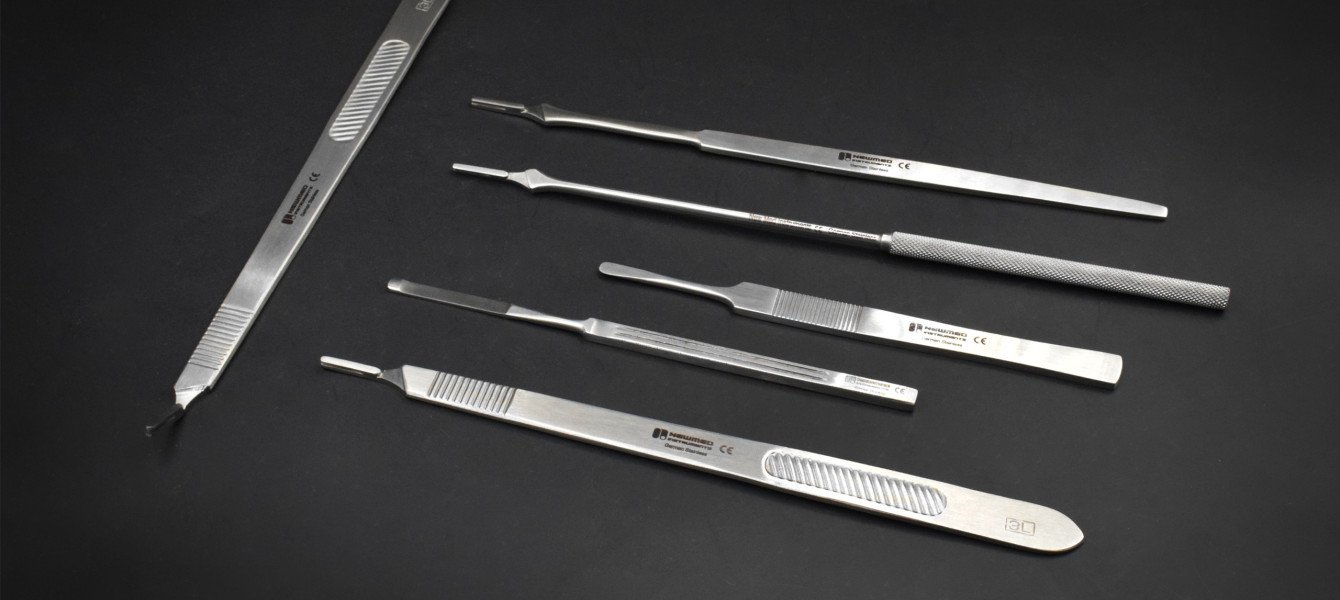
In the world of surgical precision, every component of an instrument plays a critical role. While the blade often receives the most attention, the handle it attaches to is equally important for control, safety, and successful outcomes. A surgeon's dexterity and feel for the tissue are directly translated through this essential tool. Understanding the nuances of the surgical knife handle is fundamental for any healthcare professional committed to excellence in the operating room.
The Foundation of Surgical Precision
The surgical knife handle, often referred to as a scalpel handle, serves as the primary interface between the surgeon's hand and the cutting edge. Its design is a masterful blend of ergonomics and functionality, developed over decades to provide maximum control and stability. The material, weight, and grip texture are all meticulously engineered to reduce hand fatigue during long procedures and to allow for delicate, precise movements. This foundational tool is not merely a holder for the blade; it is an extension of the surgeon's skill.
Understanding Different Handle Types
Surgical knife handles are not a one-size-fits-all solution. They are classified by number, with each number corresponding to specific blade sizes and shapes. The most common types are the No. 3 and No. 4 handles. The No. 3 handle is slender and used for smaller blades (like sizes 10-15), making it ideal for delicate dissections and precise incisions. Conversely, the No. 4 handle is larger and accommodates bigger blades (such as sizes 20-25), which are typically used for making larger cuts in general surgery.
The Importance of Material and Sterilization
The materials used to construct a surgical knife handle are chosen for their durability, resistance to corrosion, and ability to withstand repeated sterilization cycles. High-grade stainless steel is the industry standard, offering a non-porous surface that prevents the harboring of bacteria. Proper cleaning and sterilization, whether through autoclaving or chemical methods, are non-negotiable protocols to ensure patient safety and prevent surgical site infections. A well-maintained handle is a cornerstone of aseptic technique.
Ergonomics and Surgeon Comfort
Ergonomics plays a significant role in the design of a modern knife handle. The shape is often crafted to fit comfortably within the hand, with features like flattened surfaces or textured grips to prevent slipping. Some handles have a rounded, pen-like design, while others are flatter and wider. The choice often comes down to surgeon preference and the specific requirements of the procedure. A comfortable, well-balanced handle allows the surgeon to maintain focus on the task at hand without being distracted by physical strain.
The Critical Blade-Handle Interface
The secure attachment of the blade to the handle is a critical safety feature. The fitting mechanism, a precisely milled slot at the tip of the handle, ensures that the blade locks firmly in place without any wobble or play. This stability is paramount, as an insecure blade could lead to inaccurate cuts or, in the worst case, detach during a procedure. Both attaching and removing the blade require a specific technique, often using a needle holder or forceps to avoid sharps injuries. Mastering this process is a key skill for all surgical personnel.
Specialized Handles for Modern Surgery
Beyond the standard No. 3 and No. 4, a variety of specialized handles exist to meet the demands of different surgical fields. For example, there are extra-long handles for deep cavity procedures and angled handles for accessing difficult-to-reach areas. The Beaver knife handle system offers a range of smaller, more delicate options often favored in ophthalmology and microsurgery. As surgical techniques evolve, so too does the design of the knife handle to support new and innovative procedures.
Conclusion: A Commitment to Quality
Choosing the right surgical instruments is a direct reflection of a professional's commitment to patient care. The knife handle, though a simple tool, is a powerful instrument that demands respect and understanding. Its proper selection, maintenance, and use are fundamental principles of surgery. By prioritizing high-quality, reliable instruments, surgeons and healthcare professionals ensure they have the best possible tools to achieve perfect and precise results for every patient.